

Surgical drapes, as a core component of the operating room's "sterile barrier system," directly determine the safety of the surgical environment. Hydrophilic PP composite nonwoven fabric, with its dual advantages of hydrophilic modification and composite structure, solves the core pain points of traditional materials: Compared to hydrophobic ordinary nonwoven fabrics, its hydrophilic properties (water contact angle <30°) allow for rapid absorption of dispersed bodily fluids during surgery (such as tissue fluid and minor bleeding), preventing contamination of sterile areas due to fluid flow and reducing the risk of cross-infection. Clinical data shows that surgeries using hydrophilic PP composite drapes have a postoperative incision infection rate that is more than 40% lower than those using traditional cotton drapes, meeting the core requirements of the "Hospital Infection Management Regulations" for aseptic control of the surgical environment. The PE barrier layer and hydrophilic core layer in the composite structure form a synergistic effect of "liquid absorption - water retention - leak prevention", withstanding hydrostatic pressure of over 25kPa. It can effectively block the penetration of bacteria and viruses (such as hepatitis B virus and Staphylococcus aureus) in body fluids, protecting medical staff and patients from cross-infection, and is the "first line of defense" for surgical safety.
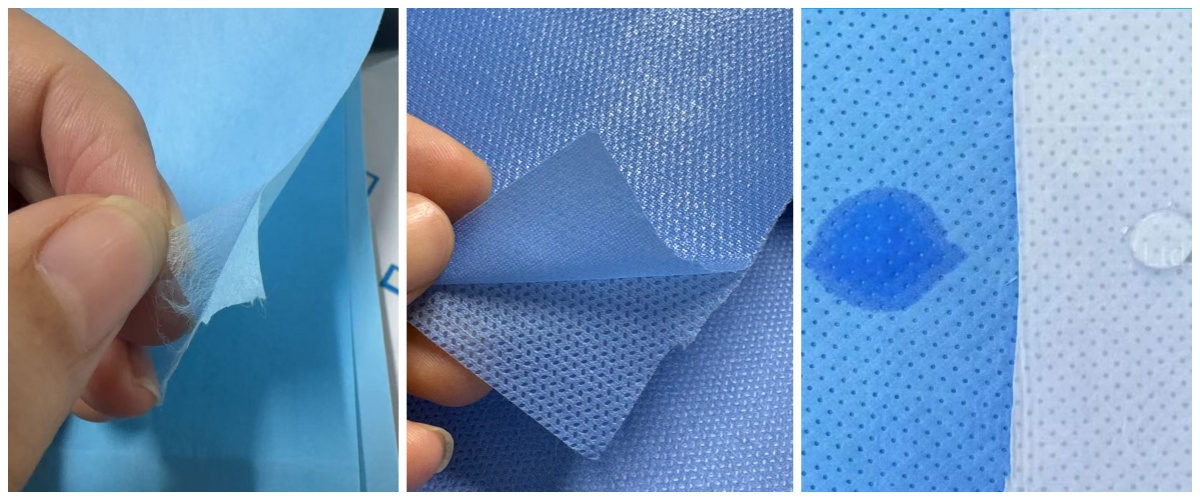
Hydrophilic PP composite nonwoven fabric serves as the "base material" for surgical draping, complementing and synergizing with specialized reinforcing sheets such as SMPE composite nonwoven fabric. In surgeries with significant blood loss (such as orthopedic replacements and liver resections), the hydrophilic PP composite draping handles overall drainage and aseptic protection, while the SMPE reinforcing sheet focuses on localized hypertonic areas such as the surgical field and drainage tube openings. This combination achieves a comprehensive protection system of "all-round protection + targeted reinforcement," ensuring the safety of the overall surgical environment while addressing the drainage needs in extreme localized scenarios. This "base material + specialized reinforcing sheet" design reduces the overall draping production cost (eliminating the need for full-area use of high-cost SMPE material) while balancing universality and specificity, making it the mainstream design solution for high-end surgical draping.
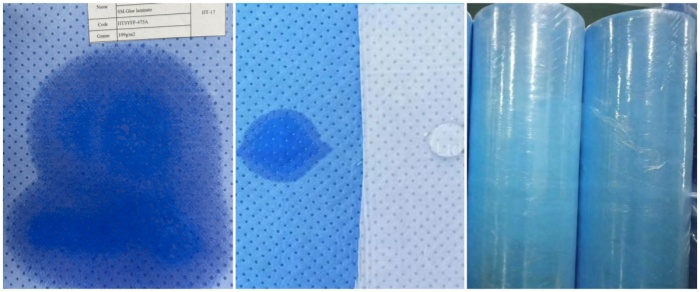
Hydrophilic PP composite nonwoven fabric, with its core safety protection, universally adaptable performance, and economical and environmentally sustainable nature, has become a core basic material in the field of surgical draping. It not only solves the pain points of traditional materials such as "slow water absorption, easy leakage, and environmental unfriendliness," but also, through synergy with specialized reinforcing sheets, constructs a multi-layered, all-scenario surgical protection system, providing stable and reliable protection for surgical safety. Against the backdrop of continuous advancements in medical technology, the importance of hydrophilic PP composite nonwoven fabric will become even more prominent, continuously driving the development of surgical consumables towards "precise protection, high efficiency and economy, and green sustainability."
Contact us if you are looking for Absorbent PP laminated material!
can not be empty
can not be empty

HUATAO GROUP - Spunlace Nonwoven Fabric
Address: No.298 Zhonghua North Street, Shijiazhuang 050000 China.
Tel: +86 0311 80690567
Email: sale03@huataogroup.com
 WhatsApp & WeChat : +8618033766115